OUR PROGRAM
Ecosystem Restoration program
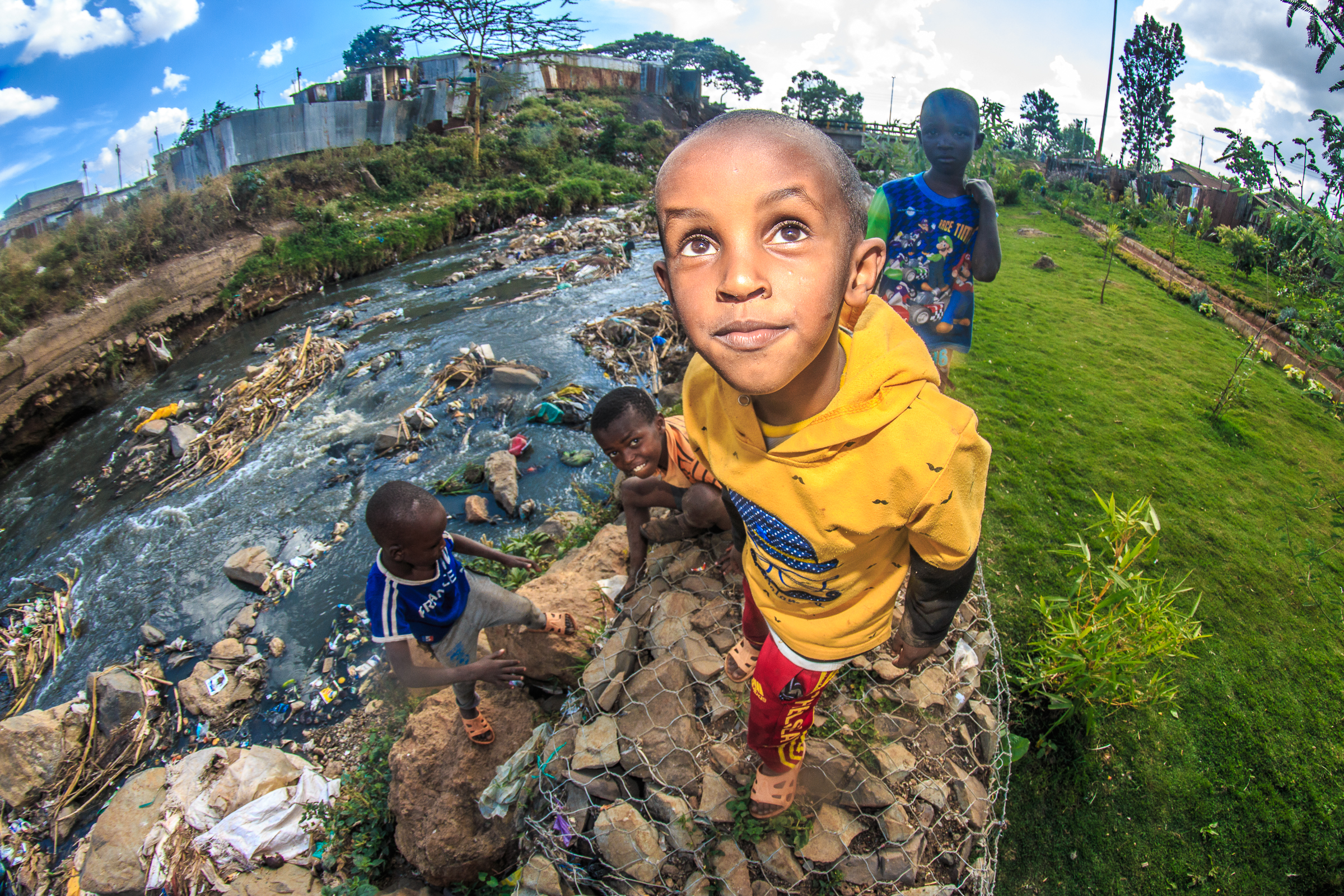
Ecosystem degradation is one of the most pressing ecological challenges facing both the world and Kenya today, largely due to human activities such as urbanization and agriculture. The Mazingira Yetu Ecosystem Restoration Program focuses on revitalizing degraded ecosystems like riparian zones and wetlands. Since 2018, we have partnered with communities and government agencies around Ondiri Wetland in Kikuyu, Korogocho along the Nairobi River, Kibera along the Ngong River, and Kasarani along the Getharaine River to restore these vulnerable ecosystems. Our approach involves addressing the pollutants harming these areas, planting appropriate vegetation, and equipping local communities with the knowledge and tools they need for sustainable ecosystem management.
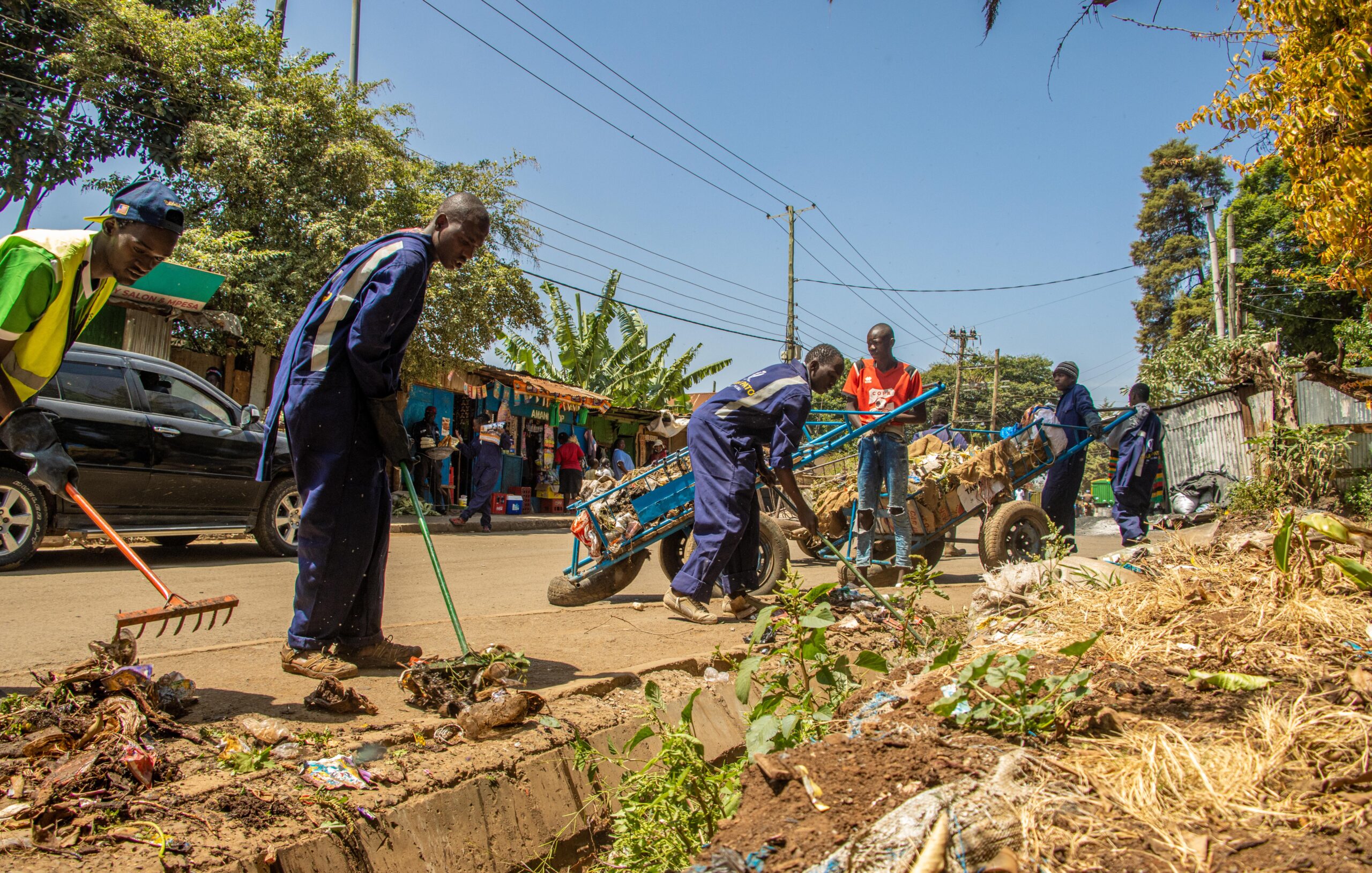
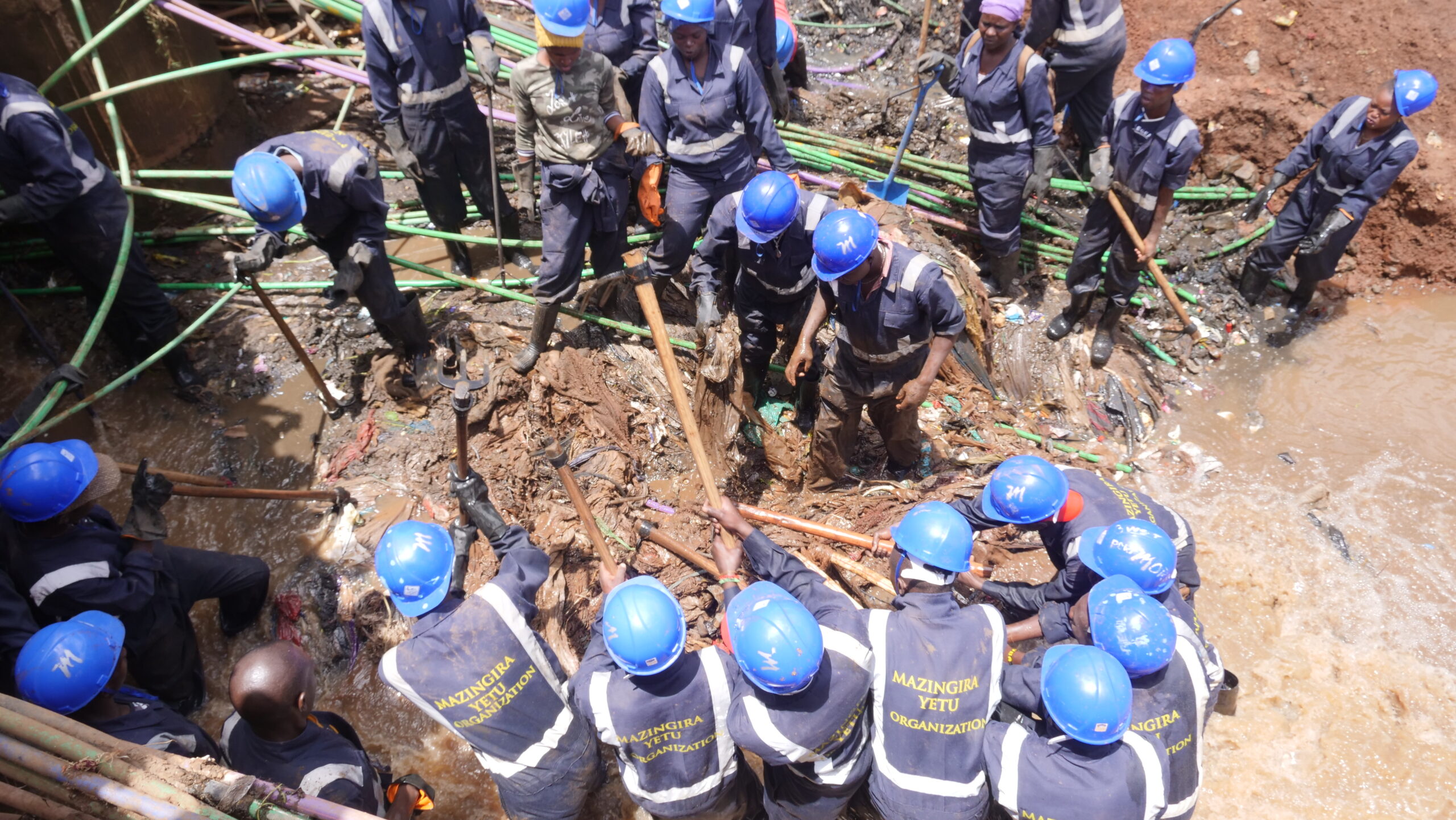
Maintaining a clean ecosystems
NGONG RIVER RESTORATION AND SANITATION WORK
More than 2 billion people live without access to safe water and 3.6 billion people live without safely managed sanitation. That’s nearly half of the world population. Access to safe water, sanitation and hygiene is the most basic human need for health and well-being as envision under UN’s SDG 6 on water, sanitation and hygiene (WASH). This is essential not only to health, but also to poverty reduction, food security, peace and human rights, and maintaining clean ecosystems.
In Kenya, informal settlements such as Kibra are characterized imbalance between population growth and infrastructural development with the latter usually lagging behind. The impacts of the imbalance between population growth and infrastructural development are severe particularly the availability of basic sanitation facilities such as toilets and hand washing facilities. With a population of roughly 250,000, 1 toilet serves at least 100 households.
Bulk of the population result into using dilapidated pit latrines, open defecation and flying toilets. Drainage channels and rivers are converted to open sewer drains due to lack of sewer line connection and pit latrine emptying services. This in turn affects aquatic life and people who frequently come into contact with contaminated water and food thus exacerbating health risks from water, sanitation, and hygiene-related diseases such as cholera.
Additionally, the dilapidated state of these pit latrines makes them unsafe for use mainly by women and young girls. The health risks exacerbate especially due to lack of facilities for changing/disposing sanitary materials safely and exposes them to urinary tract infections (UTI). Use of the poorly constructed pit latrines is hazardous as young children who when unsupervised often fall into the pits.
Our Intervention
Increasing access to WASH services for the marginalized urban poor is an important frontier of our work. We acknowledge that toilets are more than just a basic amenity; they’re a symbol of a society’s progress and commitment to ensuring the well-being of its inhabitants.
The Ongoing Ngong River Restoration and Sanitation Works has managed to tackle key sanitation problems in Kibra informal settlements through different approaches. The project was launched in October 2019 and funded by Ministry of Water Sanitation and Irrigation through Athi Water Works Development Agency.
Through the project, 19 community ablution blocks have been constructed, extensive repair of sewer lines and boreholes drilled to supply water to the ablution blocks. These ablution blocks are managed by registered self-help groups who have undergone extensive training on community sanitation and management. Each facility has separate sections for both ladies and gents. Interventions employed have not only prevented continued pollution of Ngong River but also improved the living conditions thus making the poor settlements as an integral part of the Nairobi City Regeneration Program.
These facilities are managed by registered youth/women groups. The respective groups are responsible for maintaining hygiene and ensuring the facilities are safe to use. It is with urgency that we are addressing the acute sanitation deficits in Kibra, even though these may be transient arrangements and a provision of the requisite momentum towards slum upgrade.