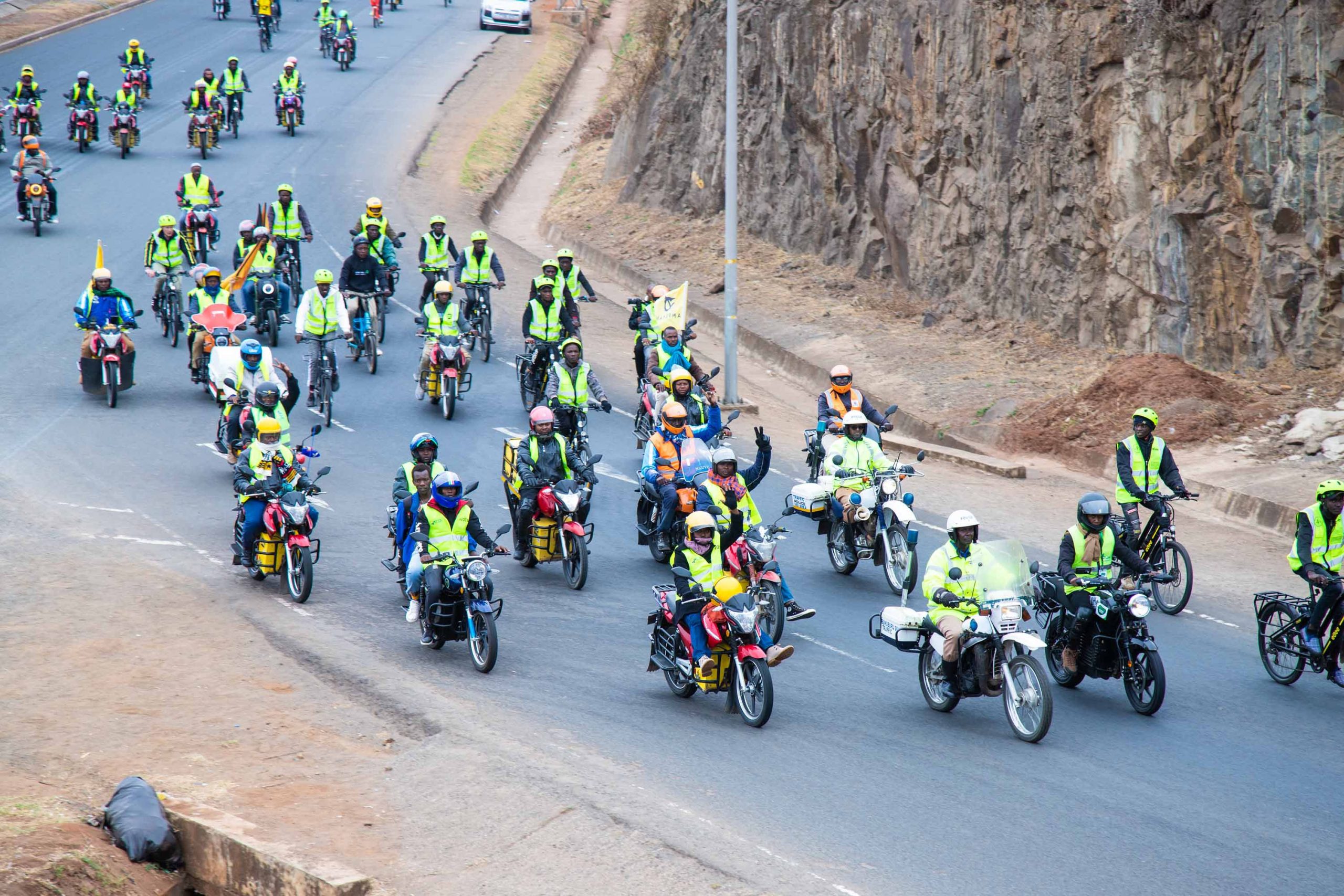
In East Africa, motorcycles—commonly known as ‘boda bodas’—have become more than just a mode of transport; they are a lifeline. From the bustling streets of Nairobi to remote villages in Uganda, this option provides flexible, reliable mobility, often where public transportation is scarce or non-existent. Recent studies show that the number of motorcycles on the African continent has surged to between 27 and 30 million, a significant increase from under five million just a decade ago.
Beyond facilitating mobility, the commercial motorcycle sector plays a pivotal economic role. It creates millions of jobs across the continent, particularly for young people facing limited employment opportunities. Many of these riders become the primary breadwinners for their families. In addition, a wide range of businesses, including motorcycle owners, mechanics, and spare parts vendors benefit from the sector. It is evident that for countless people, motorcycles are not just a convenience—they are essential to their livelihoods.
As the industry continues to expand, the urgency for sustainable solutions grows. Rising fuel costs and mounting environmental concerns have made it clear that transitioning to cleaner, more efficient transportation is not just a question of if, but how. The challenge, however, isn’t about replacing motorcycles, it’s about reimagining how they are powered in a way that benefits the economy, riders, and the environment.
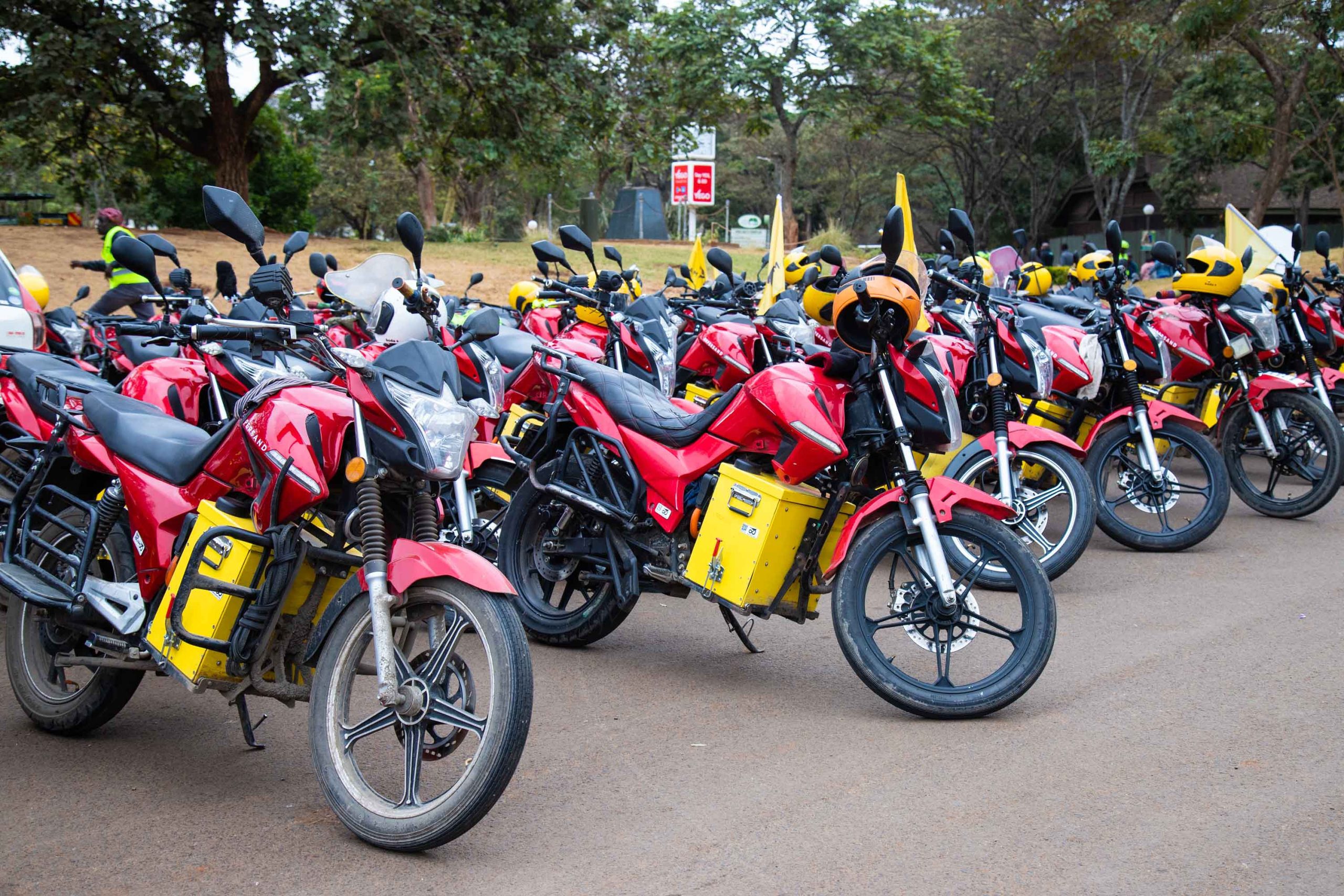
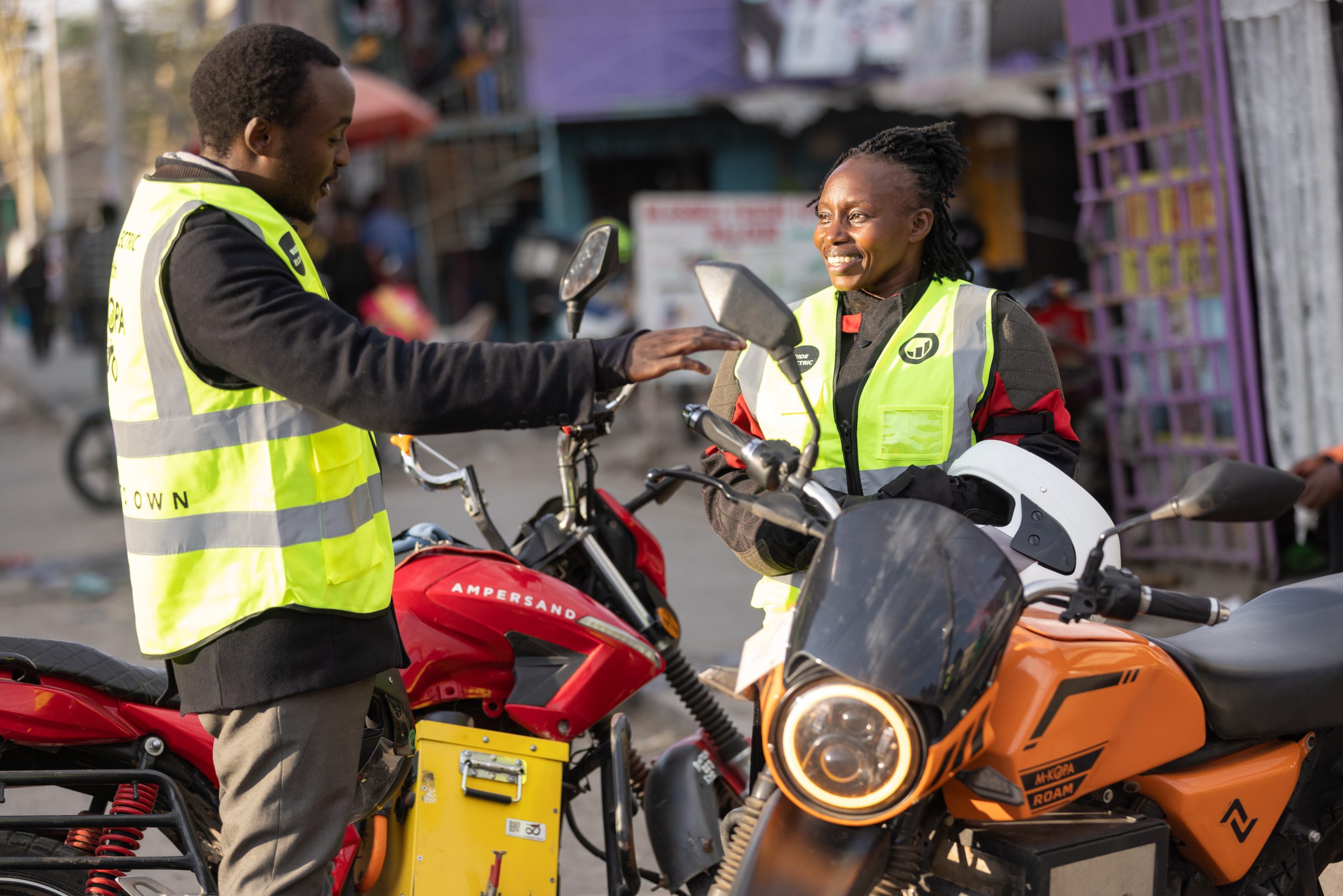
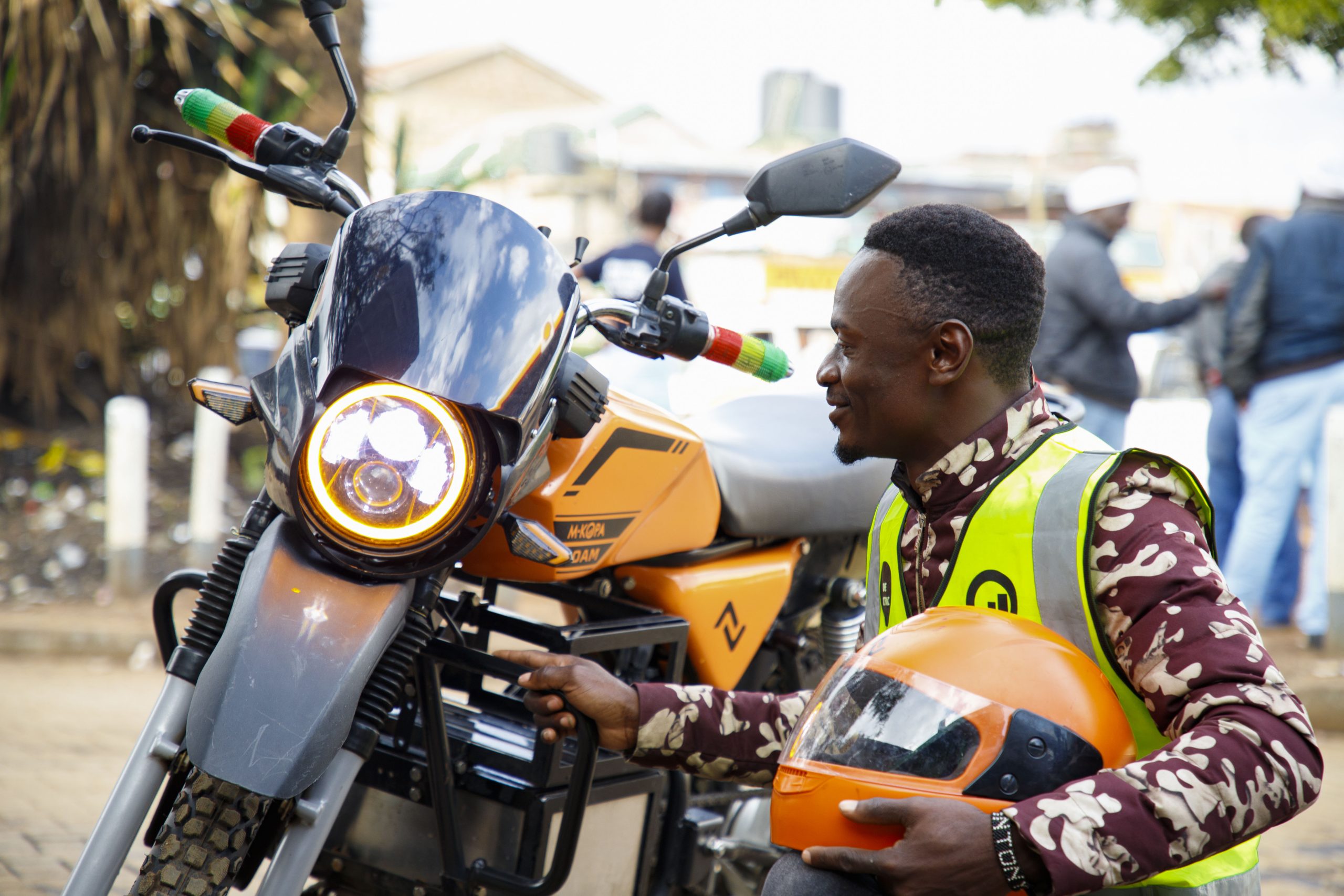
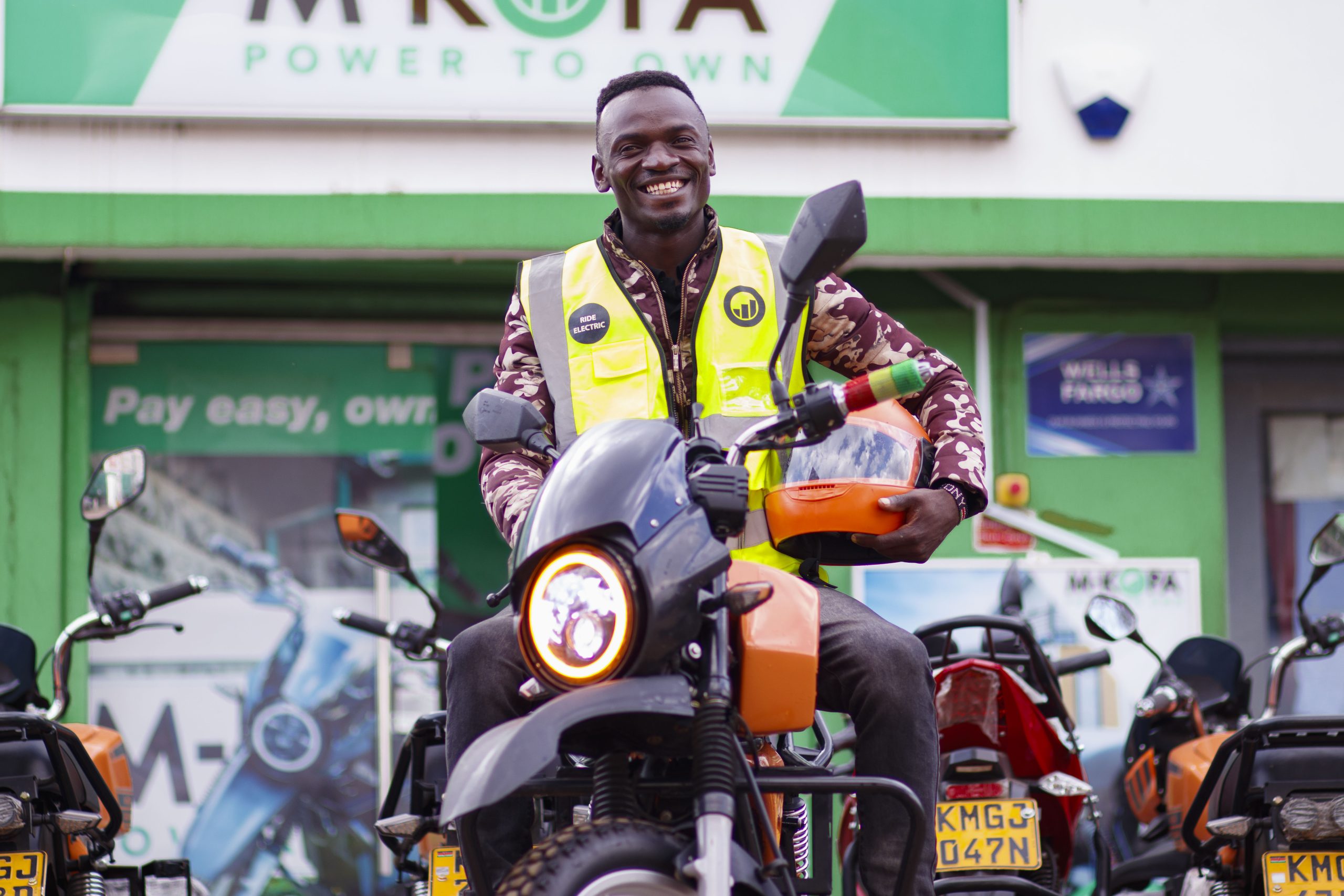
Companies like M-KOPA are leading this shift with its mobility vertical, revolutionizing access to electric bikes. Through a flexible financing model tailored to customers’ income patterns, the company offers a sustainable solution that reduces both financial strain and environmental impact.
Environmental and Economic Impact: The Promise of Electric Bikes
Most of the 30 million motorcycles currently on Africa’s roads operate with internal combustion engines (ICE), meaning they rely on petrol to function. This huge number presents serious environmental and public health challenges. Vehicle emissions contribute significantly to urban air pollution, which claims over 350,000 lives annually across Africa and costs the continent an estimated $5 billion in lost GDP each year. Petrol-powered motorcycles are particularly harmful, emitting up to 10 times more toxic pollutants than petrol cars over the same distance. According to the United Nations Environment Programme Finance Initiative, each petrol motorbike produces about 15 tonnes of CO₂ over its lifetime—adding up to more than 60 million tonnes of CO₂ annually across Africa. In Kenya, for instance, the transport sector is the leading contributor to national CO₂ emissions, highlighting the need for cleaner alternatives.
Electric bikes offer a powerful solution, drastically reducing CO₂ emissions and toxic air pollution by over 90%. In Kenya, where the national electricity grid is powered by more than 90% renewable energy—one of the cleanest in Africa—electric bikes provide an even greater opportunity for sustainable mobility.
The Financial Benefits: A Smart Investment for Riders
Electric bikes aren’t just better for the environment; they are also more cost-effective in the long term. While the initial purchase price of an electric bike may be about 20% higher than a petrol bike for the higher-end options, the ongoing savings more than make up for this. Many people assume electric bikes are too expensive, but the reality is the opposite.
For example, an average rider in Kenya spends about 600 shillings (USD 4) per day on fuel for a 100-kilometre journey. In contrast, an electric bike costs only 100 shillings (USD 0.70) daily for the same distance. Petrol motorcycles also require frequent maintenance, including engine oil changes, part replacements etc. Electric bikes, however, require much less maintenance—primarily just charging the battery. Many electric bikes also come with warranties, meaning if a battery fails, it can be replaced at no extra cost within the warranty period.
With innovative financing models like the one offered by M-KOPA, the financial burden of purchasing an electric bike is significantly reduced. M-KOPA’s flexible payment model is tailored to riders’ earning patterns, allowing them to pay off their bikes in manageable daily installments. An independent study by Dalberg Research a leading global consultancy firm, found that on average, customers save about USD 3.50 per day by switching to an electric bike, which represents a 30% increase in their take-home earnings compared to petrol-bike riders.
Performance and Practicality: Are Electric Bikes Up to the Task?
The comparable efficiency of electric bikes has been a long misconstrued subject. In reality, electric motorcycles are not only cheaper, they are also more efficient and durable. M-KOPA, for instance, rigorously tests its electric bikes, with over 95% of test riders reporting that the bikes perform on par with, or even better than, petrol bikes in terms of power, speed, and load capacity.
One area where electric bikes shine is noise efficiency. Unlike petrol bikes, which contribute to noise pollution in congested areas, electric bikes operate almost silently. This makes them ideal for navigating heavy traffic and offers riders a quieter, more relaxed driving experience, similar to the difference between driving an automatic car and a manual one.
M-KOPA’s Role in Driving Change
Despite the clear advantages of electric bikes, adoption in Africa remains relatively low, primarily due to the higher upfront cost. However, this is beginning to change, especially in East Africa, where innovative Fintechs like M-KOPA are making electric bikes more accessible and creating a meaningful impact on riders’ financial stability. Since launching its electric bike financing program in 2023, the company has financed over 2,000 electric bikes, leading to a reduction of CO₂ emissions by more than 90%. This rapid growth within a short period underscores the model’s viability and the rising demand for cleaner alternatives.
The company’s flexible financing approach has had a significant positive impact on customers. An overwhelming 89% of riders report that repaying their M-KOPA loan is easier compared to other loans. Additionally, 92% have experienced an improvement—or significant improvement—in their quality of life since acquiring an M-KOPA electric bike. These results clearly indicate that this model is effective and worth replicating across markets to build a greener East Africa.
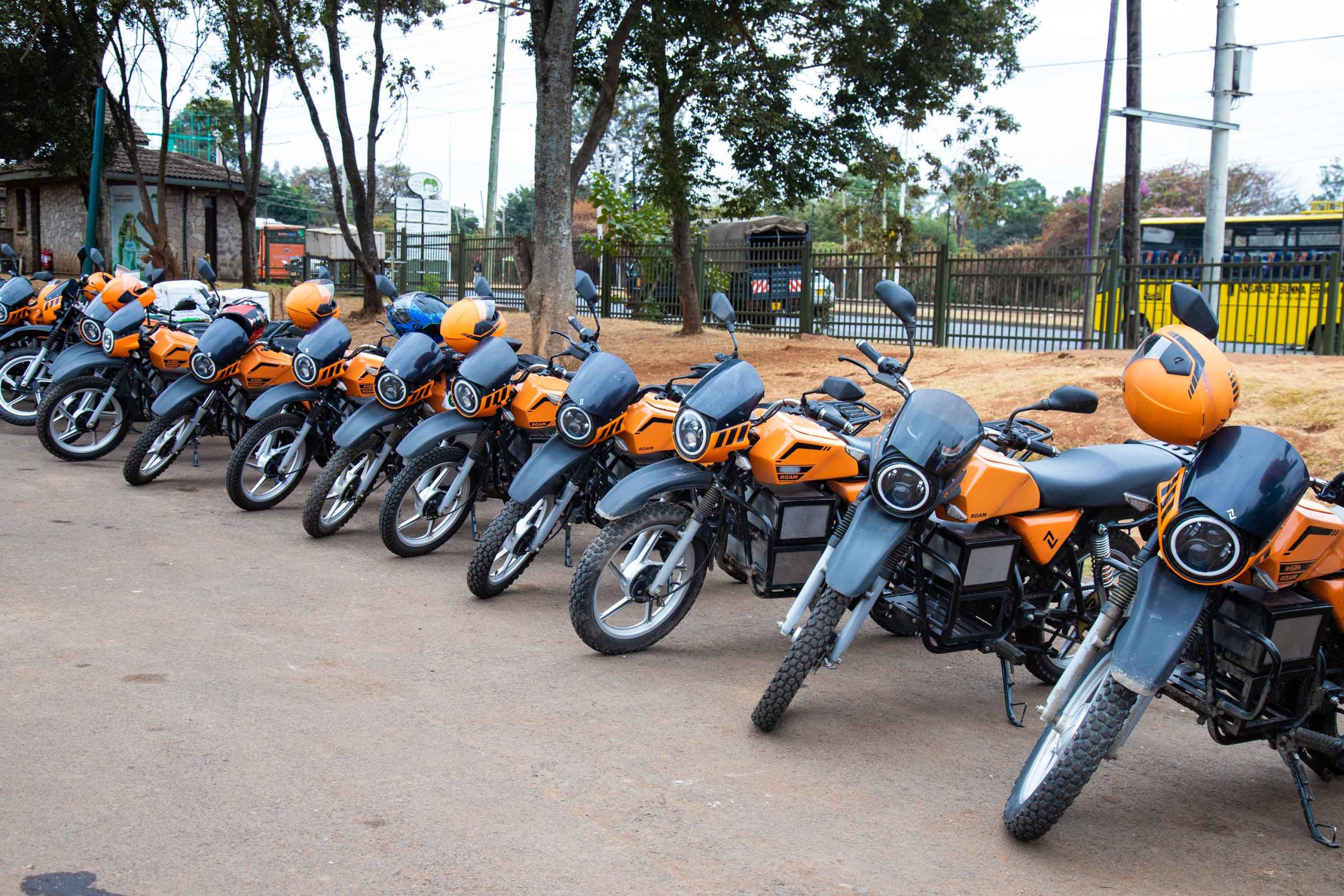
Recognizing the power of partnerships, the company has formed strategic alliances with industry leaders such as ROAM and Ampersand, ensuring that high-quality electric bikes are both accessible and affordable. In 2024, M-KOPA also collaborated with Bolt to transition 5,000 riders to electric bikes over 3 years, providing them with opportunities to increase their earnings sustainably.
Challenges to Overcome and the Path Forward
These developments in East Africa are promising, with massive growth opportunities ahead but there is still work to be done. Some challenges remain in the sector that require collective efforts and in some cases time to surmount. One significant obstacle is the availability and affordability of spare parts. Petrol motorbikes have been around for decades, benefiting from a well-established supply chain of affordable spare parts and skilled mechanics. Electric bikes, however, are still relatively new to the market, and replacement parts such as controllers and motors are not yet as widely available. Although electric bikes require less frequent maintenance, limited access to spare parts can make repairs more difficult. However, as adoption increases and more manufacturers enter the market, the supply chain for electric bike parts is expected to strengthen, making repairs more accessible.
Infrastructure remains another significant challenge. Some Electric bikes require charging stations or battery-swapping hubs, which are still scarce in many parts of Africa. Without a robust charging network, range anxiety can deter riders from making the switch. However, innovative solutions such as battery rentals and battery-swapping models are emerging, allowing riders to quickly exchange depleted batteries for fully charged ones, ensuring minimal downtime.
M-KOPA’s electric bikes make charging convenient. Riders can charge Roam Air bikes at home, at work, or at any charging station across Nairobi in under four hours. Meanwhile, Ampersand has established 16 swap stations across Greater Nairobi, providing riders with the flexibility to quickly swap batteries on the go. These are welcome initiatives and more in this direction would greatly benefit the industry.
To achieve widespread electric bike adoption, collaboration is essential. Governments, private investors, and infrastructure developers must work together to address existing challenges and foster a supportive environment for e-mobility. The transition to electric bikes in East Africa is not only an environmental necessity; it is an economic opportunity. With rising fuel costs, increasing concerns about air pollution, and the demand for affordable transportation, electric bikes offer a practical solution that benefits both riders and the environment.
The road ahead is promising, but the pace of change will depend on bold, forward-thinking decisions made today. By embracing electric mobility, East Africa can move toward a cleaner, more sustainable future while boosting economic growth and improving the livelihoods of millions.
By David Damberger, Managing Director at M-KOPA Mobility