Causes

Our Model

Stats and Progress

Money Raised (USD)
$78,200 / $
Remaining to Goal
$ 0
Percent Funded
0 %
People Impacted
0

Donate now

Make a contribution

$0 of $1 raised

Notice: Test mode is enabled. While in test mode no live donations are processed.

$
Select Payment Method
Personal Info

Donation Total: $10.00

With a rapidly growing global population comes a surging demand for resources, and unprecedented alteration to Earth’s ecosystems. The entire spectrum of human settlements from large metropoles or city regions to villages extract natural resources on the one hand and, on the other, produce waste products that when not handled properly pollute the natural environment.

Through the Life-Centered Design Challenge, we guide communities through a creative process of identifying the current modelling the preferred final state of their environment. We help them understand how connected and interdependent we are with nature. This transforms the idea of ownership of things to responsible stewardship.

By overlaying the ecosystem with the human settlements and concentrating on the areas that both systems intersect, models better presents how our actions continue to degrade the environment and most importantly how nature responds to these disturbances.

‘This new worldview for design means that responsibility for the welfare of all of life is now our mandate, our challenge, and our inspiration.’ Bruce Mau (Mau, 2020)

overview

Causes information
Inspiration: Frame the design challenge
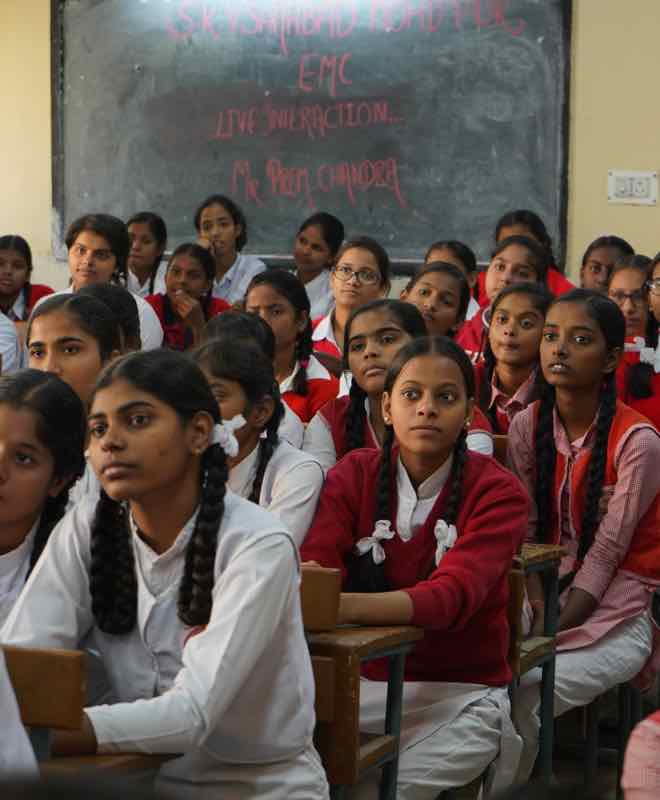
In this phase the participants will learn how to better understand people. Participants examine their lives and express their fears, hopes and desires. Activities Introduction of the participant’s name and organization Introduction of the history and unique aspects of their ecosystem Challenges facing their communities and environment What are the hopes and desires of the people in regard to the natural resource?
Click Here
Ideation
Make sense of everything that you have heard, generate lots of ideas, identify opportunities for design, test and refine your solutions. Participants identify and categorize stakeholders who are dependent on the natural resource for their livelihoods Activities Formation of groups. The stakeholders to have 10 minutes per group to discuss the importance of the natural resource to them, challenges they are facing and what solutions would they like to see happen.
Click Here
Synthesis
Making sense out of what we see and hear to uncover opportunities for design. Activities Write the name of the stakeholder you have talked with at the top of the sticker paper and stick it on the manila paper. Find themes e.g. (Poor sanitation, waste disposal etc.) and underneath the themes write down proposed solutions and opportunities. Craft ‘How might we…………………?’ question
Click Here
Prototyping
Bringing ideas to life. Activities Brain storm on the best ideas Developing a 3D model of the natural resource. Get feedback by inviting other participants to observe the 3D model Be prepared to integrate feedback and apply on the design
Click Here
Presentation
Participants present their proposed solutions to the identified problems.
Click Here